
Luxury Real Estate Is Booming While Traditional Sales Stall. Here’s Why.
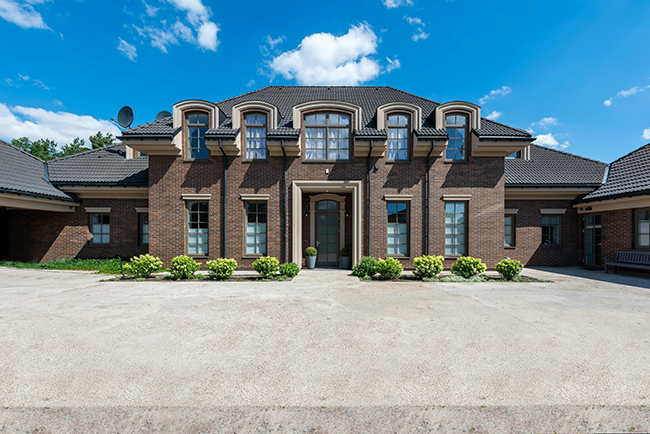
Luxury real estate just had its best year while everyone else struggled, and the gap is about to get wider. Luxury home sales grew at nearly double the rate of traditional home sales in 2025, increasing 2.9% compared to 1.7% for the broader market. Even in a higher interest rate environment, the ultra-high-end segment has demonstrated surprising resilience, breaking away from traditional market patterns with steady pricing, sustained sales, and buyer confidence that hasn’t wavered.
What’s driving this momentum goes beyond economics. The Great Wealth Transfer, in which trillions of dollars are moving from Baby Boomers to younger generations, is fundamentally reshaping how buyers think about real estate, what they expect from properties, and how homes fit into broader wealth strategies.
Size and substance both matter
Living large has returned, but the motivation has shifted. Today’s luxury buyers want space that reflects identity and supports how they live: working remotely, hosting gatherings, prioritizing wellness, and spending meaningful time with family. The average luxury single-family home measures 4,250 square feet compared to 2,364 square feet for traditional properties. Among luxury buyers looking at single-family homes, nearly 64% request five or more bedrooms.
But square footage alone doesn’t tell the story. Privacy ranks as a top priority, followed by views, architectural quality, and outdoor living space. The modern luxury blueprint now includes wellness centers, home theaters, primary suites with private offices, outdoor kitchens, pools, pickleball courts, and dedicated spaces for guests or creative pursuits, all situated on properties that feature privacy and room to expand or preserve as legacy assets.
These aren’t vanity features. They represent longer-term commitments where homes deliver value across multiple dimensions of daily life while protecting future resale potential. Buyers are approaching real estate with clear intention, treating properties as core financial strategy rather than discretionary purchases.
Turnkey scarcity opens opportunity for renovation
Move-in ready properties remain the most sought-after option in luxury markets, but supply hasn’t kept pace with demand. As a result, 58% of luxury specialists report growing interest in homes with strong fundamentals: good bones in exceptional locations that require customization.
Buyers with longer time horizons are willing to invest in properties they can personalize, particularly in supply-constrained neighborhoods where inventory limitations force flexibility. Even seemingly turnkey properties will be subject to buyer changes after purchase: new countertops, refinished floors, relocated walls, updated backsplashes, retiled bathrooms. Buyers who plan to stay five or more years value creating residences tailored precisely to personal preferences over accepting designs meant for broad market appeal.
Nest investing: home as wealth anchor
Affluent buyers are reallocating wealth toward residential real estate at accelerating rates. Home-related spending among ultra-high-net-worth households is projected to rise more than 18%, potentially outpacing spending on personal luxury goods. The home has evolved from sanctuary to financial instrument, a long-term wealth anchor that simultaneously supports quality of life.
This concept gained momentum during the pandemic when properties had to function as offices, classrooms, social hubs, and wellness retreats. That multipurpose expectation hasn’t receded. Buyers now expect homes to deliver across functional, emotional, and financial dimensions simultaneously.
Shifting geography of wealth
Traditional wealth havens like New York, the Hamptons, Los Angeles, San Francisco, Aspen, Palm Beach, and Miami continue to attract long-term holders who reinforce property values by selling infrequently and buying during softer conditions. Wealth migration has also created new American markets to watch: Minneapolis/St. Paul, Greater Atlanta, Dallas, San Diego, Salt Lake City, Nashville, Park City, Napa Valley, Denver, Scottsdale, and select Connecticut and New Jersey locations.
Younger luxury buyers among Gen X, millennials, and Gen Z are setting different standards. While prestige and cultural capital still matter, these generations prioritize well-being, lifestyle-rich environments, and nature. Clean air, sustainable infrastructure, and water security now rank alongside tax optimization, global mobility, and wealth preservation as factors driving location decisions.
The luxury market isn’t being disrupted by generational wealth transfer. It’s being reinforced by it, with buyers investing intentionally in properties that serve as both personal sanctuaries and strategic assets. If you are a homebuilder ready to brace for this growing market, partner with us. ASTRALCOM helps homebuilders understand and reach buyers across segments who prioritize identity, lifestyle, and long-term value. Learn how we work with homebuilders.

